
The Magic Before Silence Experiencing Ogoh-Ogoh in Canggu and Pererenan
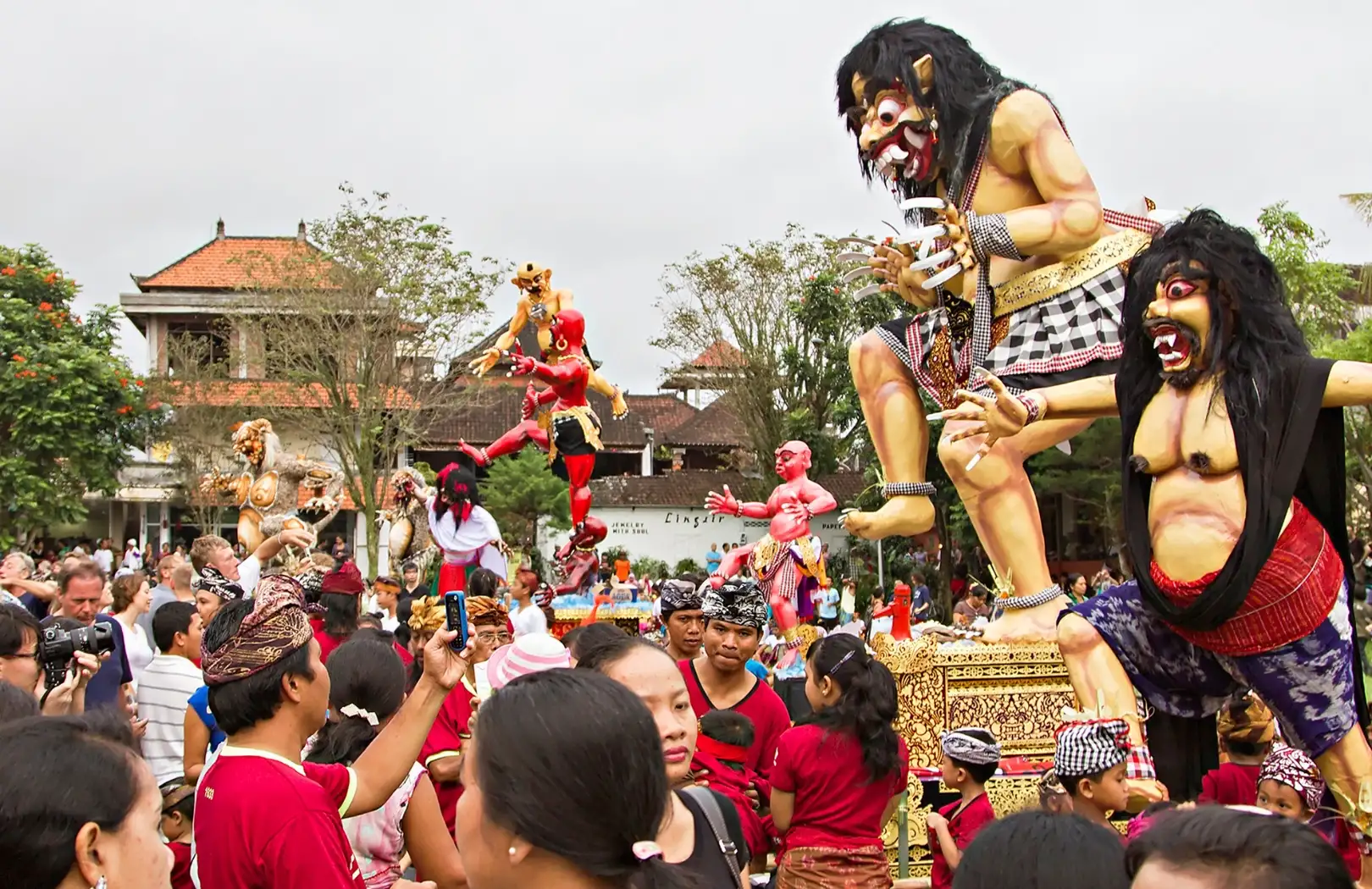
Every year in Bali, just before the island enters its quietest day, something extraordinary happens. Streets that are usually calm transform into vibrant stages filled with music, movement, and towering artistic creations. This is the night of Ogoh-Ogoh, one of the most visually captivating cultural traditions visitors can experience in Bali.
For travelers staying in Canggu and Pererenan, witnessing Ogoh-Ogoh offers a rare opportunity to see Balinese culture unfold naturally within local communities. It is energetic, expressive, and deeply meaningful — a powerful contrast to the peaceful silence that follows on Nyepi Day.
Understanding this tradition adds depth to any March visit to Bali and allows guests to experience the island beyond beaches and cafés.
What Is Ogoh-Ogoh?
Ogoh-Ogoh are large handcrafted statues representing negative forces or disruptive energies. Built by local youth groups in villages across Bali, these figures are often dramatic, imaginative, and incredibly detailed.
Some appear as mythological creatures, demons, or symbolic characters inspired by traditional stories. Others reflect modern themes or social commentary, showing how Balinese culture continues to evolve while preserving tradition.
The purpose of Ogoh-Ogoh is spiritual rather than decorative. The statues symbolize negative elements that must be cleansed before the new year begins.
On the evening before Nyepi, communities parade these figures through the streets accompanied by music, chanting, and celebration. Later, the statues are burned in a symbolic ritual meant to restore balance and harmony.
For visitors, the experience feels both festive and meaningful at the same time.
A Unique Cultural Atmosphere in Canggu and Pererenan
While Ogoh-Ogoh celebrations happen across Bali, the atmosphere in Canggu and Pererenan feels especially intimate.
Unlike large city parades, village celebrations here maintain a strong local character. Residents gather along neighborhood streets, families watch together, and visitors are welcomed as observers of a living tradition rather than spectators at a staged performance.
In Pererenan, narrow roads and community spaces create a close connection between participants and viewers. Guests often find themselves just steps away from the procession, able to appreciate the craftsmanship and energy behind each statue.
The experience feels authentic and spontaneous, offering insight into everyday Balinese life.
The Energy of the Parade Night
As sunset approaches, anticipation builds throughout the area. Music begins to echo from different directions, and groups carrying Ogoh-Ogoh statues prepare to move through the streets.
Traditional gamelan rhythms mix with cheers and laughter. Torches and lights illuminate the statues, creating dramatic shadows as they move through intersections and village roads.
One of the most exciting moments occurs when carriers rotate the statues rapidly at crossroads. This action symbolically confuses negative spirits, preventing them from returning after purification.
The atmosphere is lively yet respectful, combining celebration with spiritual purpose.
For travelers, it becomes an unforgettable cultural highlight — vibrant, immersive, and completely unique to Bali.
Why Travelers Should Experience Ogoh-Ogoh
Many visitors arrive in Bali focused on beaches or nightlife, unaware that cultural moments like Ogoh-Ogoh exist. Those who experience it often describe it as one of the most memorable nights of their trip.
Unlike performances designed specifically for tourism, Ogoh-Ogoh remains community-driven. The pride and effort invested by local youth groups are visible in every detail, from intricate carvings to coordinated movements.
Witnessing the parade allows travelers to better understand the philosophy behind Nyepi. The celebration represents the release of chaos before entering a day dedicated to reflection and renewal.
It offers context, meaning, and emotional connection to the culture of the island.
Staying Close to the Experience
Location plays an important role in enjoying Ogoh-Ogoh comfortably.
Staying near Pererenan allows guests to reach parade routes easily without dealing with heavy traffic or long travel times. Many celebrations occur within walking distance, making it possible to experience the event naturally as part of the neighborhood atmosphere.
After the excitement of the evening, returning to a calm boutique environment creates a perfect transition into the peaceful mood of Nyepi.
The shift from lively celebration to quiet reflection becomes part of the overall journey.
Tips for Enjoying Ogoh-Ogoh Night
A few simple preparations help visitors enjoy the event smoothly.
Arriving early allows time to explore before crowds gather. Comfortable clothing and footwear are recommended since streets may be busy. Bringing a camera is worthwhile, as the statues and performances provide incredible visual moments.
It is also important to remain respectful. The event carries spiritual meaning for local communities, so maintaining awareness and courtesy enhances the experience for everyone.
Travelers should also expect temporary road closures as processions move through villages. Walking is often the easiest way to explore during the evening.
From Celebration to Silence
One of the most remarkable aspects of Ogoh-Ogoh is how quickly the atmosphere changes afterward.
The lively energy of the parade gives way to complete stillness the following morning as Nyepi begins. Streets that were filled with music become empty. Noise disappears, and the island enters a shared moment of calm.
Experiencing both events together creates a powerful emotional contrast. Visitors witness the release of energy followed by deep quiet — a cycle that reflects balance within Balinese philosophy.
This transition helps travelers appreciate Nyepi not as restriction, but as intentional renewal.
A Cultural Memory That Stays With You
Long after leaving Bali, many guests remember Ogoh-Ogoh night vividly. The creativity, community spirit, and symbolic meaning leave a lasting impression.
It becomes more than an event to photograph. It is a moment of connection — between tradition and modern life, between visitors and local culture, and between celebration and reflection.
For travelers staying in Canggu or Pererenan during March, witnessing Ogoh-Ogoh transforms a holiday into a deeper cultural experience.
The night reminds visitors that Bali is not only a destination of beautiful landscapes, but also a living culture shaped by ritual, creativity, and shared community spirit.


